Uncategorized

Ways to Exterminate Booklice

Booklice, or paperlice, can quickly become a nuisance when they infest books, documents, and other paper-based materials. Although they do not pose a direct threat to humans, their presence can lead to damage and degradation of valuable items. In this article, we will explore various methods to exterminate booklice effectively. By following these steps, you can regain control over your belongings and prevent further infestation. 1. Identify the Problem: Before embarking on extermination, it’s crucial to confirm the presence of booklice. Look for small, pale insects crawling on books, papers, or walls. Additionally, be on the lookout for signs of booklice activity, such as tiny brown spots or damage to paper materials. Proper identification ensures that you’re targeting the right pest and using the most appropriate methods. 2. Improve Ventilation and Reduce Humidity: Booklice thrive in environments with high humidity levels. To discourage their presence, improve ventilation in the affected area by opening windows or using fans. Consider using a dehumidifier to maintain humidity below 50%. By reducing moisture, you create an unfavorable environment for booklice and hinder their ability to reproduce. 3. Clean and Organize: Thoroughly clean the infested area to eliminate booklice and their food sources. Start by removing any clutter, as it provides hiding places and promotes moisture retention. Wipe down shelves, walls, and furniture with a mild detergent solution to remove dust and debris. Pay special attention to cracks and crevices where booklice might hide. Regular cleaning and organizing help reduce the likelihood of reinfestation. 4. Vacuuming: Vacuuming is an effective method for eliminating booklice and their eggs. Use a vacuum cleaner with a small nozzle attachment to reach into tight spots and corners. Vacuum shelves, carpets, and furniture, paying close attention to areas where booklice are commonly found. After vacuuming, promptly dispose of the vacuum bag or empty the canister outside your living space to prevent reinfestation. 5. Freezing Treatment: For valuable or delicate items that cannot be easily cleaned or vacuumed, freezing is an effective method to exterminate booklice. Place infested books or papers in sealed plastic bags and store them in a freezer for at least 48 hours. Freezing temperatures kill booklice and their eggs, effectively eradicating the infestation. Afterward, allow the items to return to room temperature before removing them from the bags. 6. Heat Treatment: Another method to exterminate booklice is through heat treatment. Place infested items in a sealed plastic bag and expose them to temperatures above 120°F (49°C) for several hours. You can use an oven, clothes dryer, or a dedicated heat chamber for this purpose. Heat effectively kills booklice and prevents their reinfestation. Exercise caution and follow safety guidelines when using heat treatments. 7. Insecticide Treatment: Insecticides can be used as a targeted approach for severe infestations. Select an insecticide labeled for booklice or paperlice and follow the instructions carefully. Spray the affected areas, focusing on bookshelves, cracks, and crevices where booklice hide. Take care to use insecticides in well-ventilated areas and keep them out of reach of children and pets. Consider using natural insecticides as a safer alternative. 8. Natural Remedies: Several natural remedies can help exterminate booklice. Essential oils, such as tea tree, lavender, or eucalyptus oil, have insect-repellent properties. Dilute a few drops of the chosen oil in water and spray the mixture on infested areas. Additionally, you can use diatomaceous earth, a natural powder that dehydrates and kills booklice. Sprinkle diatomaceous earth in areas prone to booklice infestation, such as bookshelves or corners. Reapply as needed, and make sure to use food-grade diatomaceous earth. 9. Sealing Entry Points: To prevent future booklice infestations, seal entry points that allow them to enter your living or storage areas. Use weather stripping to seal gaps around windows and doors. Caulk cracks and crevices in walls and baseboards. Inspect and seal any other potential entry points, such as utility pipes or vents. By blocking their access, you can minimize the risk of reinfestation. 10. Professional Pest Control: If the infestation persists despite your efforts or if you have a large-scale infestation, it may be necessary to seek professional pest control assistance. Pest control professionals have specialized knowledge, tools, and treatments to effectively exterminate booklice. They can assess the situation, provide targeted treatments, and offer guidance on preventive measures. 11. Preventive Measures: After successfully exterminating booklice, take preventive measures to avoid future infestations. Maintain a clean and organized environment by regularly dusting and cleaning bookshelves, furniture, and storage areas. Store books and papers in dry, well-ventilated spaces. Avoid excess moisture and humidity by addressing any leaks or sources of water. By practicing these preventive measures, you can reduce the risk of booklice reinfestation. Conclusion: Exterminating booklice requires a comprehensive approach that combines cleaning, improving ventilation, targeted treatments, and preventive measures. By following the steps outlined in this guide, you can effectively eliminate booklice and safeguard your books, documents, and other paper-based items. Remember to identify the infestation accurately, choose the most suitable method for your situation, and take preventive actions to minimize the risk of future infestations. With persistence and diligence, you can reclaim your space from booklice and ensure the longevity of your paper materials. Give WTG Pest Control a call. 24/7 Singapore Pest Control Service For Termite, Mosquito, Bedbug And Booklice

Ways to Exterminate Booklice Read More »

How to get rid of Booklice

Booklice, also known as paperlice or psocids, are tiny insects that infest books, papers, and other cellulose-based materials. Despite their name, they are not actually lice and do not pose any direct harm to humans. However, their presence can be a nuisance, as they can damage books, manuscripts, and important documents. If you’re facing a booklice infestation and are seeking effective solutions to eradicate them, this article will provide you with a step-by-step guide to get rid of booklice and prevent their return. 1. Identify the Infestation: Booklice are small, light-colored insects with soft bodies and a winged or wingless appearance. They are usually 1-2 millimeters in length and tend to gather in areas with high humidity. Look for signs of booklice infestation such as tiny, crawling insects, damage to paper materials, or small brownish spots on books and documents. 2. Create an Unfavorable Environment: Booklice thrive in moist environments, so the first step is to reduce humidity levels and make your space less hospitable for them. Use a dehumidifier to lower the humidity to below 50% in infested areas. Ensure proper ventilation and circulation by opening windows or using fans. 3. Remove Infested Items: Identify and remove any infested materials from the affected area. Inspect books, papers, cardboard boxes, and other cellulose-based items. Pay close attention to areas with moisture, such as basements, attics, and storage spaces. Seal infested items in plastic bags to prevent the spread of booklice to other areas. 4. Clean and Vacuum: Thoroughly clean the infested area to eliminate booklice and their eggs. Vacuum the shelves, carpets, and furniture, paying special attention to cracks and crevices where booklice may hide. Dispose of the vacuum bag or empty the canister outside your living space immediately to prevent reinfestation. 5. Freeze or Heat Treatment: For valuable or delicate items that cannot be cleaned easily, you can use temperature treatments to eliminate booklice. Place infested books, papers, or other materials in a sealed plastic bag and freeze them for at least 48 hours. Alternatively, you can expose them to high temperatures above 120°F (49°C) for several hours. Both methods kill booklice and their eggs. 6. Seal Entry Points: Prevent booklice from returning by sealing entry points into your home or storage areas. Use weather stripping around windows and doors, caulk cracks and gaps in walls, and ensure proper insulation to minimize humidity levels and prevent booklice from reinfesting. 7. Maintain a Clean Environment: Regularly clean and organize your living or storage space to prevent booklice infestations in the future. Keep areas free of clutter and avoid excessive moisture. Wipe down surfaces with a damp cloth and mild detergent regularly. Properly store books and papers in dry, well-ventilated areas. 8. Natural Remedies and Insecticides: If you prefer natural remedies, you can use essential oils such as tea tree, lavender, or eucalyptus oil. Dilute a few drops in water and spray the mixture on infested areas. Additionally, there are insecticide sprays available specifically formulated to eliminate booklice. Read and follow the instructions carefully when using any chemical-based solutions. 9. Seek Professional Help: If the infestation persists despite your efforts, or if you have a large-scale infestation, it may be necessary to consult a professional pest control service. They have the expertise and resources to effectively eliminate booklice and provide guidance on preventing future infestations. Conclusion: Getting rid of booklice requires a combination of preventive measures and targeted treatments. By following the steps outlined in this guide, you can significantly reduce booklice infestation and protect your books, documents, and other paper-based materials. Remember, the key is to create an inhospitable environment for booklice by controlling humidity levels, practicing regular cleaning and maintenance, and sealing entry points. While natural remedies and DIY solutions can be effective for smaller infestations, it’s important to know when to seek professional assistance. If the infestation persists or if you have a large-scale problem, contacting a pest control service is recommended. They can provide specialized treatments and expert advice tailored to your specific situation. Prevention is the best defense against booklice. Once you have successfully eradicated the infestation, maintain a clean and dry environment to discourage their return. Regularly inspect books and paper materials for signs of damage or infestation, and take immediate action if you notice any issues. Remember, patience and persistence are crucial when dealing with booklice. By following these guidelines and staying proactive, you can reclaim your space from booklice and enjoy your books and documents without the threat of infestation. Give WTG Pest Control a call. 24/7 Singapore Pest Control Service For Termite, Mosquito, Bedbug And Booklice

How to get rid of Booklice Read More »

Booklice Singapore

Introduction Booklice (also known as psocids) are tiny, wingless insects that are commonly found in homes, libraries, and other places where books and paper are stored. They are usually less than 1/16 inch (1.6 mm) long and are pale gray or brown in color. Despite their name, booklice are not actually lice and do not bite or transmit diseases. Booklice feed on mold, fungi, and other organic matter found in books, papers, and other materials. They are often considered a nuisance pest, as they can damage books and papers if left unchecked. However, they are not harmful to humans or pets and can be easily controlled through proper cleaning and storage practices. Booklice are common in Singapore. Normally they are originally found in warehouses, factories, and homes. They prefer dry, sheltered areas away from weather exposure, making dehumidifiers ineffective against them. If booklice are found in your home, high chance main contributing factors would be transported by human effort through items like carton boxes. If booklice infestations are severe, professional pest control services may be necessary to eliminate the problem. It is important to use only licensed and reputable pest control companies to ensure the safety of people and pets in the area. Reproduction and Behavior Nesting and Attraction Health Concerns Irritation : While they do not bite, booklice can cause skin irritation and may fall from ceilings, leading to discomfort in the ears. There are several ways to exterminate booklice: 1. Cleaning and vacuuming: Booklice thrive in environments where there is plenty of organic matter to feed on. Regularly cleaning and vacuuming the affected areas can help to remove this food source and make the company website environment less hospitable for booklice. Pay particular attention to areas where books, paper, and cardboard are stored, and be sure to dispose of vacuum bags or canisters outside of the house to prevent reinfestation. 2. Heat treatment: Heat treatment can be an effective way to kill booklice and their eggs. Place the infested items in a plastic bag and seal it tightly, then place it in direct sunlight or in an oven set to a temperature of at least 120°F (49°C) for several hours. It is important to note that some books or paper products may be damaged by high temperatures, so this method should be used with caution. **Heat treatments only eliminate existing infestations but fail to prevent future issues. 3. Freezing: Freezing is another effective method for killing booklice and their eggs. Place the infested items in a plastic bag and freeze them for at least 72 hours. This method is less likely to damage books or paper products than heat treatment. 4. Insecticides: There are insecticides available that can be used to control booklice. However, it is important to use these products with caution and according to the manufacturer’s instructions. Non-toxic or low-toxic insecticides, such as diatomaceous earth or boric acid, can be effective for controlling booklice without posing a risk to people or pets. More toxic insecticides should be used only as a last resort and with great care, as they can be harmful if not used properly. Treatment and Control Booklice cannot eliminate themselves and require a specific treatment approach. Improper methods, like misting or fogging, can worsen the infestation. Self-treatment has proven ineffective for most customers, despite various methods like painting or cleaning with Clorox and even vacuum. Conclusion : In addition to these methods, it is important to practice good storage and maintenance habits for books and paper products. Store books and papers in dry, well-ventilated areas, and avoid stacking them too tightly together. Avoid storing them directly on the floor or against exterior walls. Regularly inspect books and paper products for signs of booklice infestation, such as tiny brown or gray insects, and discard any infested items immediately to prevent the infestation from spreading. Give WTG Pest Control a call. 24/7 Singapore Pest Control Service For Termite, Mosquito, Bedbug And Booklice

Booklice Singapore Read More »

Bedbugs Singapore

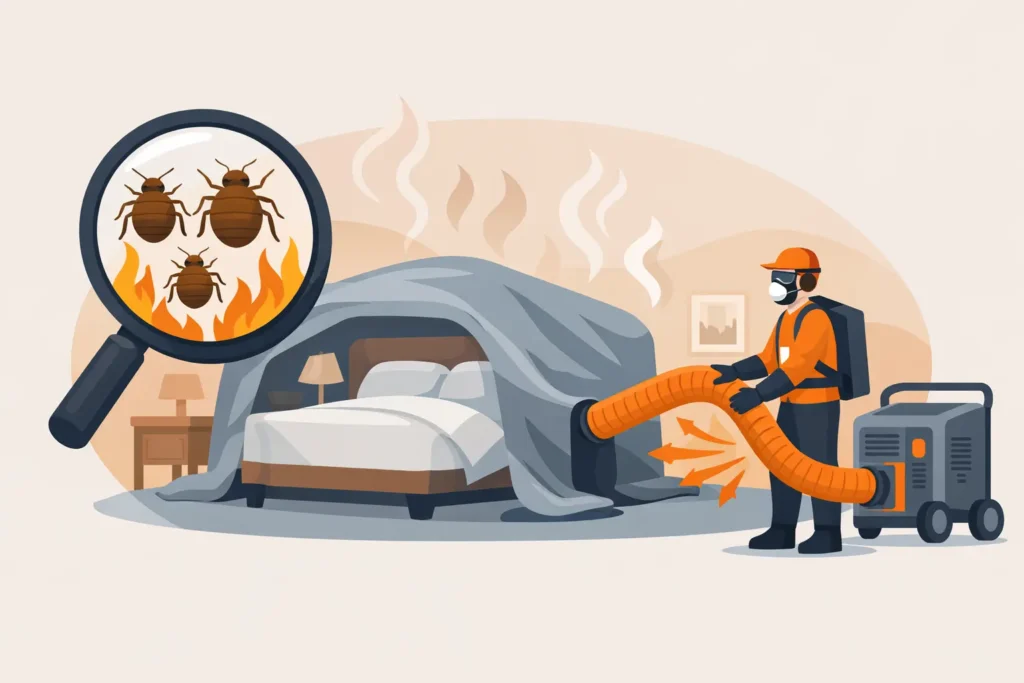
Introduction Bedbugs are small, reddish-brown insects that feed on the blood of humans and animals. They are typically found in and around beds, but can also be found in other areas of the home, such as furniture, curtains, and carpets. Bedbugs are known for their ability to survive for long periods of time without feeding, and for their ability to reproduce quickly, making them a difficult pest to control. The bites of bedbugs can cause itching and irritation, and in some cases, can lead to an allergic reaction. Bedbug infestations can also cause emotional distress and anxiety. To control bedbugs, it is important to: 1. Use heat treatment: Bedbugs are very sensitive to high temperatures, and exposing them to temperatures above 122°F (50°C) can kill them. You can use heat treatment to kill bedbugs in infested items by washing them in hot water or drying them on high heat. You can also use steam treatment to kill bedbugs in cracks and crevices. 2. Use insecticides: There are many insecticides available for controlling bedbugs. Some insecticides are applied as sprays, while others are applied as dusts. It is important to follow the manufacturer’s instructions carefully when using insecticides, and to use them only in areas where they are labeled for use. 3. Use natural remedies: Some natural remedies, such as diatomaceous earth, tea tree oil, and lavender oil, have been reported to be effective in controlling bedbugs. However, the effectiveness of these remedies has not been scientifically proven, and they may not be as effective as insecticides. 4. Monitor for re-infestation: Bedbugs can be reintroduced into a previously infested area through infested furniture or clothing. It is important to regularly monitor the area for signs of bedbugs, and to take immediate action if they are detected. 5. Seek professional help: Bedbug infestations can be very difficult to control, and it may be necessary to hire a professional pest control company to eliminate the infestation. A professional can provide a comprehensive treatment plan, and can help to identify and eliminate all sources of the infestation. Conclusion : It is important to note that bedbugs are a persistent pest, and controlling them can be a time-consuming and costly process. Early detection and action are key to preventing a small infestation from becoming a larger, more difficult problem.

Bedbugs Singapore Read More »

Termite Singapore

Introduction Termites are small, social insects that feed on cellulose, which is found in wood and other plant-based materials. They are known for their ability to cause significant damage to buildings and other structures, as they can consume large amounts of wood and weaken the structural integrity of a building. Termites live in colonies, which can number in the thousands or even millions. The colonies are organized into castes, which include workers, soldiers, and reproductive individuals. The workers are responsible for gathering food and maintaining the nest, while the soldiers protect the colony from predators. Termites can be found in many parts of the world, and there are several species of termites that are common pests in homes and other buildings. In addition to causing damage to structures, termites can also cause damage to furniture, books, and other household items. To prevent termite infestations, it is important to: 1. Types of termites: There are three main types of termites: subterranean, drywood, and dampwood. Subterranean termites live in the soil and create mud tubes to travel between the soil and the wood they feed on. Drywood termites live in dry wood and do not need contact with soil, while dampwood termites require a high-moisture environment and feed on wet or decaying wood. 2. Signs of infestation: The signs of a termite infestation can be difficult to detect, but some common signs include mud tubes along the foundation of the building, swarming termites, and hollow-sounding wood. If you suspect a termite infestation, it is important to contact a pest control professional as soon as possible. 3. Prevention: Preventing a termite infestation is the best way to protect your home or building from damage. Some preventive measures include ensuring proper drainage around the foundation, removing any wood debris from around the home, and sealing any cracks or gaps in the foundation or walls. 4. Treatment options: There are several treatment options available for termite control, including liquid termiticides, baits, and heat treatment. The best treatment option will depend on the type and severity of the infestation. 5. Professional help: It is recommended to seek professional help from a licensed pest control company to eliminate a termite infestation. A professional can identify the type of termite and the extent of the infestation, and can recommend the best treatment plan to eliminate the termites and prevent future infestations. Conclusion : Overall, prevention is key when it comes to termites. By taking steps to prevent an infestation and addressing any signs of an infestation promptly, homeowners can protect their homes from the destructive effects of termites.

Termite Singapore Read More »

Pest Control Booklice Singapore

Introduction Pest control and booklice extermination services are typically provided by licensed and trained professionals who have the knowledge and expertise to identify, treat, and prevent pest infestations. These professionals are equipped with specialized tools and equipment, and use safe and effective methods to eliminate pests and protect the health and safety of people and pets. The process of pest control and booklice extermination typically involves several steps, including: 1. Inspection: A pest control professional will inspect the property to identify the type of pest and the extent of the infestation. They will also look for potential sources of the infestation, such as cracks, gaps, or other areas where pests may be entering the property. 2. Treatment: Once the pest control professional has identified the type and extent of the infestation, they will develop a treatment plan that is tailored to the specific pest and the property. Treatment options may include baits, traps, insecticides, or other methods. 3. Follow-up: After the initial treatment, the pest control professional will typically schedule follow-up visits to ensure that the infestation has been eliminated and to address any remaining issues. In addition to these steps, pest control companies may also provide preventative services to help prevent future infestations. These services may include regular inspections, treatments, and recommendations for ways to minimize the risk of pest infestations. When it comes to booklice extermination, pest control professionals will typically focus on eliminating the damp or humid environment that is attracting the booklice. This may involve identifying and repairing leaks or other sources of moisture, improving ventilation, and using specialized insecticides or other treatments to eliminate the booklice. Conclusion : Overall, pest control and booklice extermination services are an important part of maintaining a safe, healthy, and pest-free home or building. By working with a professional pest control company, property owners can effectively eliminate and prevent infestations of a wide range of pests.

Pest Control Booklice Singapore Read More »